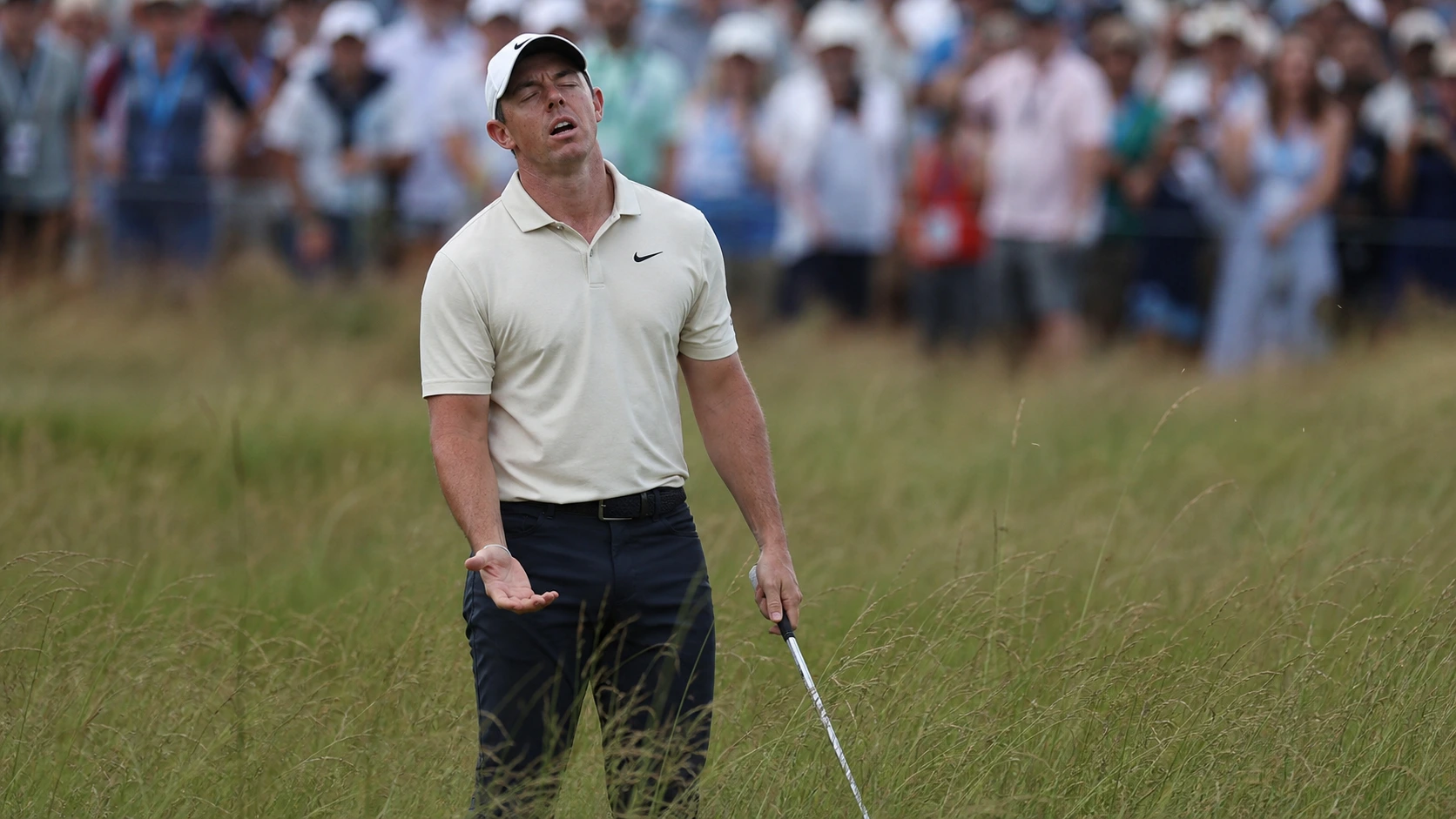
Quick answer: Because the U.S. Open is designed to make the best players in the world look ordinary. The USGA grows the rough thick, pinches the fairways, and bakes the greens to find the one player who cracks the least. Winning scores run much higher than at the other majors.
That is the headline. The detail is where it gets good.
What Makes the U.S. Open So Difficult?
Nothing about it is accidental. The USGA builds the test on purpose, and four things do most of the damage.
The rough is the first. Miss the fairway and you are not chipping out of light grass, you are hacking out of stuff that swallows the ball and sometimes the clubhead with it. The fairways themselves are narrower than anywhere else, so the bomb-and-gouge approach that works on tour most weeks gets punished here. Then there are the greens, fast and firm enough to reject a good shot, and the pins, parked near slopes where a foot too far means a putt off the green.
Stack all of that together and the easy birdies vanish. At a normal event you can give back a loose shot and make it up. At the U.S. Open, every shot costs you.
What Is a Typical U.S. Open Winning Score?
Usually somewhere around par, sometimes worse. There are years where even par would have you in the mix on Sunday.
Shinnecock makes the case better than any stat sheet. In 2018, nobody broke par for the week and Brooks Koepka won at one over. This year, the USGA actually softened the place to handle the wind, and the morning wave of Round 1 still averaged close to four over. Now put that next to the Masters, where the winner is regularly ten or twelve under, and you can see the gap.
Why Does the USGA Set the Course Up So Hard?
Because the whole idea of the championship is to find the most complete golfer, not the guy who got hot for four days. The U.S. Open wants to test the driver, the irons, the short game, the putter, and most of all the head.
The logic is blunt. Make it hard enough and the player who keeps his cool and avoids the big number floats to the top. That is why people call it a survival test as much as a golf tournament, and they are not really exaggerating.
Why Is Shinnecock Hills Especially Tough?
Take a brutal old course and add wind that never quits. Shinnecock sits out in the open near the coast with almost nothing to block the gusts, which can blow past 30 mph and switch direction halfway through your round.
That wind is the whole problem. It turns fast greens into something close to unplayable and knocks good iron shots sideways. The course can swing from hard to flat-out unfair in an afternoon, which is exactly what happened in 2004 and 2018, when the setup got loose and the USGA wore the blame. That scar tissue is why they handled 2026 with kid gloves. Here, the weather is not a footnote. It is one of the players.
Is the U.S. Open Harder Than the Masters or The Open?
Most people would say yes, though it depends a little on what you mean by hard.
The Masters is demanding but gives up low scores, so the winner is usually well under par. The Open Championship is its own beast, all links bounces, deep bunkers, and weather rolling off the sea. The PGA Championship brings a stacked field but is not built to grind scores toward par the way the U.S. Open is. The U.S. Open is the one designed, on purpose, to make great players look ordinary. That design is why it owns the "toughest" reputation.
What Can a Player Learn From Watching the U.S. Open?
You will never stand on a U.S. Open tee, but the mindset that wins one is free to copy.
Watch how the contenders treat a bogey. They shrug and walk to the next tee. They do not try to win the hole back with some hero shot over water, because that is how a bogey becomes a triple. Watch where they aim, too, usually at the fat part of the green and away from the trouble, not at every flag. And watch the patience. They know the course is giving them nothing, so they wait, and wait, and take the one chance it finally offers.
Steal that. The patience and the smart misses will save you more shots on Saturday than any swing thought you read this week.
The Raw Read
The U.S. Open earns its name the honest way. It is not hard because of one gimmick. The rough, the fairways, the greens, the pins, the weather, all of it is pointed at finding your weakness and pressing on it.
And that is the appeal, isn't it. There is something I genuinely love about watching the best players alive get humbled by a golf course that refuses to flinch. It strips the game down to its meanest version and hands the trophy to whoever is left standing. Hard to fake your way through that.
Frequently Asked Questions
Why is the U.S. Open considered the hardest major?
The USGA sets up its courses with thick rough, narrow fairways, fast greens, and tough pins to punish mistakes and find the most complete player. Winning scores run much higher than at the other majors.
What is the average winning score at the U.S. Open?
Usually around par, sometimes over it. In 2018 at Shinnecock, nobody finished under par for the week and the winner was one over.
Who runs the U.S. Open?
The United States Golf Association, known for its punishing course setups.
Why is Shinnecock Hills so hard?
A tough classic design plus heavy, shifting coastal wind that can top 30 mph, which makes the greens and approach shots brutal and the whole setup hard to control.
Is the U.S. Open harder than the Masters?
Generally yes. The Masters produces low, under-par winners, while the U.S. Open is built to push scoring toward or over par.
What is the goal of the U.S. Open setup?
To test every part of a player's game and nerve, rewarding the most complete and disciplined golfer rather than the longest hitter or the hottest putter that week.