
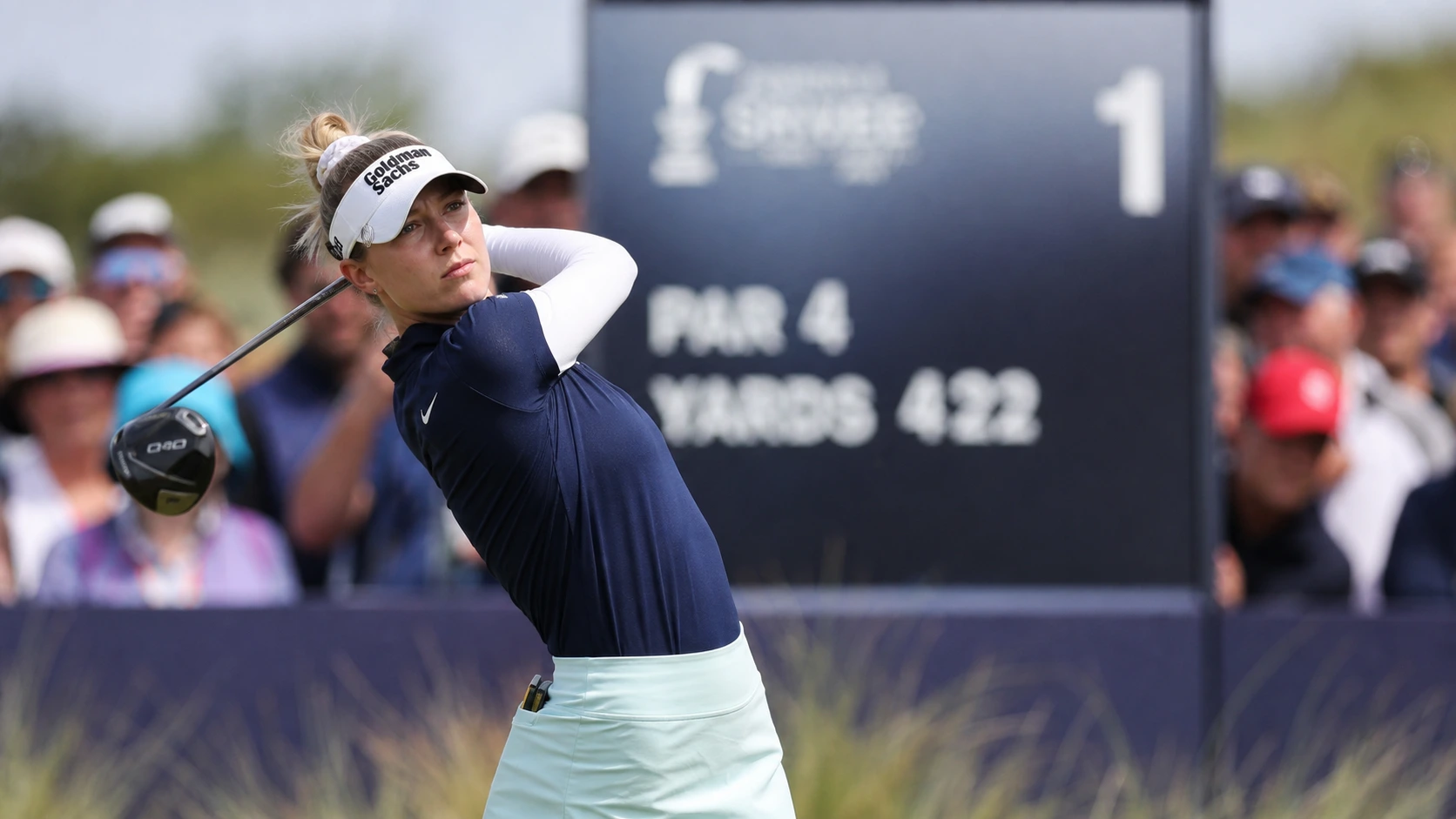
Quick answer: The average LPGA Tour player drives it around 250 to 256 yards. The longest hitters average close to 290, the shortest sit near 238, and most of the field carries the actual drive about 223 yards through the air before it rolls out. That is roughly 40 yards shorter than the PGA Tour average, and a long way past what most amateurs hit.
Those are the numbers people come looking for. Here is the context that makes them mean something.
What Is the Average LPGA Driving Distance?
Around 256 yards, give or take. Some sources put it a touch lower, closer to 252, depending on the season and how you count it, but the mid-250s is the honest ballpark.
That number surprises people in both directions. Casual fans hear "pro golfer" and expect 300-yard bombs, then feel let down. Recreational golfers who think they crush it hear 256 and quietly realize the average LPGA pro is probably out-driving them by a comfortable margin. Both reactions miss the point. The LPGA average is a precise, repeatable, in-play 256 yards, not a once-a-round career drive with the wind behind it.
Who Are the Longest Hitters on the LPGA Tour?
The big hitters live up around 280 to 290 yards, which is genuinely huge. Polly Mack held the longest-hitter spot for a couple of years in the 280s before 2025 rookie Julia Lopez Ramirez came in and took it. Names like Maria Fassi, Bianca Pagdanganan, Nelly Korda, and Lexi Thompson have all bombed it in that neighborhood at one time or another.
What I find more telling is the other end. The shortest full-time driver on tour still averages around 238 yards. So even the "short" hitter in the best women's golf on the planet is launching it past most weekend players. The gap from longest to shortest on the LPGA is about 50 yards, which tells you distance matters, but it clearly is not the only thing keeping these players on tour.
How Does LPGA Driving Distance Compare to the PGA Tour?
The men hit it farther. No surprise. The PGA Tour average in 2025 sat around 294 yards, with the longest guys averaging over 310, and the very longest single drives pushing past 440.
The cleaner way to see the gap is through TrackMan, which measures the actual flight instead of the roll-out. LPGA players carry the driver about 223 yards with a clubhead speed near 96 mph. PGA Tour players carry it 282 yards at about 115 mph. That clubhead speed difference, roughly 20 mph, is the whole story. Speed makes distance, and the men generate more of it. It is physics, not effort.
Here is the part worth sitting with, though. The LPGA player carrying it 223 with a 96 mph swing is doing it with a swing most amateurs would kill for. Cleaner contact, better sequencing, a delivery that actually uses the speed they have. They are not just stronger. They are more efficient.
How Does It Compare to Amateur Golfers?
This is where the LPGA numbers should humble a few egos. The average female amateur drives it about 177 yards, per Arccos tracking data. The average LPGA pro beats that by roughly 75 to 80 yards.
And plenty of male amateurs who assume they would out-hit an LPGA pro are kidding themselves. A mid-handicap man is often in the 220 to 240 range on a good drive, which is right around the LPGA average, except the pro hits that number almost every single time and finds the fairway doing it. Consistency is the thing amateurs never factor in.
How Does the LPGA Measure Driving Distance?
It is not based on your one nuked drive of the day. The LPGA takes the average number of yards per measured drive, recorded on two specific holes each round. Those two holes usually face opposite wind directions, so the number does not get inflated by a downwind hole or crushed by a headwind one.
That detail matters because it makes the stat honest. When you see 256 yards, that is a true playing average across a season, not a highlight. It is also why these tour numbers look lower than the "I hit one 280 once" figures golfers love to quote at the bar.
Why Has LPGA Driving Distance Gone Up?
Over the last decade, the tour average has climbed about 10 yards. Back in 1992, when the LPGA first tracked it, Laura Davies led the way at around 259 yards and stood 20 yards clear of the next longest player. Today that same number would barely crack the top 60.
So what changed? Mostly the same things that moved the men. Drivers and golf balls got better. Players got fitter and started training for speed on purpose. And once a few players proved that 280 was possible, the rest chased it, because length is an advantage and nobody wants to give it away. The equipment did a lot of the lifting, but the athleticism is real too.
What Can a Normal Golfer Take From This?
The lesson is not "swing harder." It is "swing better."
An LPGA pro averaging 256 yards off a 96 mph clubhead speed is getting far more out of that speed than most amateurs get out of the same number. If you swing 95 mph and only carry it 200 yards, your problem is not power. It is contact and delivery, the stuff that actually turns speed into distance. Center-face strikes, a square club, decent launch. That is where your free yards are hiding.
Honestly, that is the most useful thing in all these numbers. You do not need to get stronger to gain 15 yards. You need to stop leaking speed through bad contact. The women on the LPGA prove that every week, and they do it without overpowering anything.
Frequently Asked Questions
What is the average LPGA driving distance?
About 250 to 256 yards, measured as the average yards per drive across a season.
Who is the longest hitter on the LPGA Tour?
The longest hitters average roughly 280 to 290 yards. Polly Mack led for several seasons in the 280s before 2025 rookie Julia Lopez Ramirez took over the top spot.
How far do LPGA players actually carry the ball?
TrackMan data shows an average driver carry of about 223 yards, with a clubhead speed near 96 mph, before any roll.
How much farther does the PGA Tour hit it than the LPGA?
About 40 yards on average. The PGA Tour average was roughly 294 yards in 2025 versus about 256 on the LPGA, driven mostly by a 20 mph gap in clubhead speed.
How does LPGA driving distance compare to amateurs?
The average female amateur drives it about 177 yards, so an LPGA pro out-drives her by roughly 75 to 80 yards, and matches or beats many male amateurs with far more consistency.
Has LPGA driving distance increased over time?
Yes, by about 10 yards over the past decade, thanks to better equipment, speed training, and improved fitness.