Scottie Scheffler had this one going nicely until the 14th hole decided otherwise. Friday at the 3M Open started with real promise. He'd already fired a 65 on Thursday and pushed to nine-under midway through round two at TPC Twin Cities, the kind of position that usually ends in a Sunday coronation for this man. Instead, his back nine unraveled, and he finished the day at seven-under, seven shots behind leader Michael Kim. Scheffler only added this tournament to avoid a three-week gap between The Open Championship and the playoffs kicking off. That decision now looks like it's delivered a strange kind of clarity, because what happened on his back nine on Friday tells you almost everything about why his 2026 season has felt off despite the numbers saying otherwise.
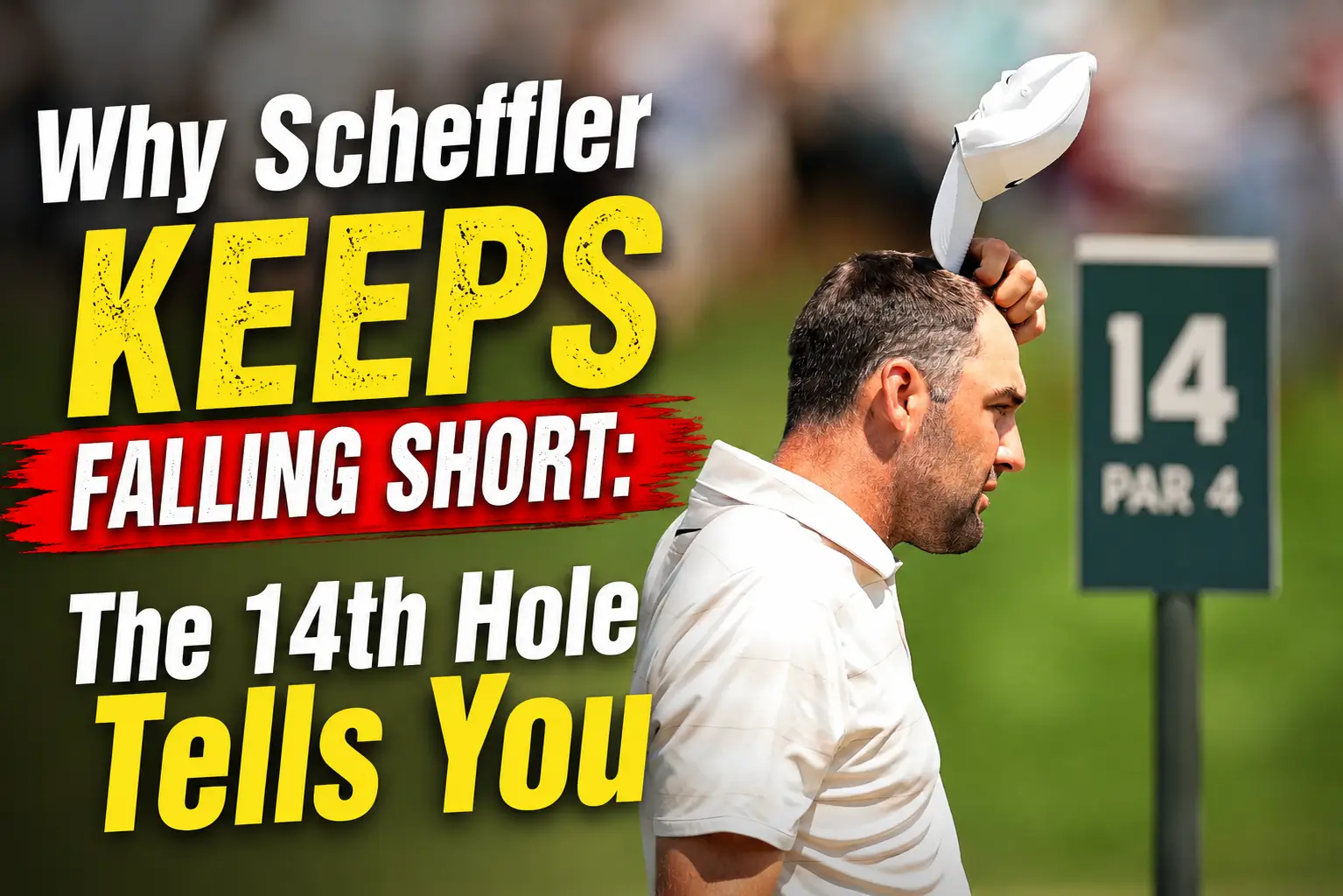
The stats don't lie, but they don't tell the full story either
Let's be straight about something first. Scheffler is still the best player on the PGA Tour this year, full stop. One win, ten top-5 finishes across 16 starts, and he's inside the top 14 in every major statistical category that matters. His putting has never been better, and he leads the stroke average category comfortably.
Most players would sign for a season like that without blinking. The only reason anyone's picking apart Scheffler's 2026 is because he won seven times in 2024 and six more in 2025. That win rate was never going to hold up forever, and comparing this year to those two borders on unfair.
But here's the thing. Nobody's been able to explain why a player this dominant statistically keeps failing to close. Friday's second round might have just handed us the answer.
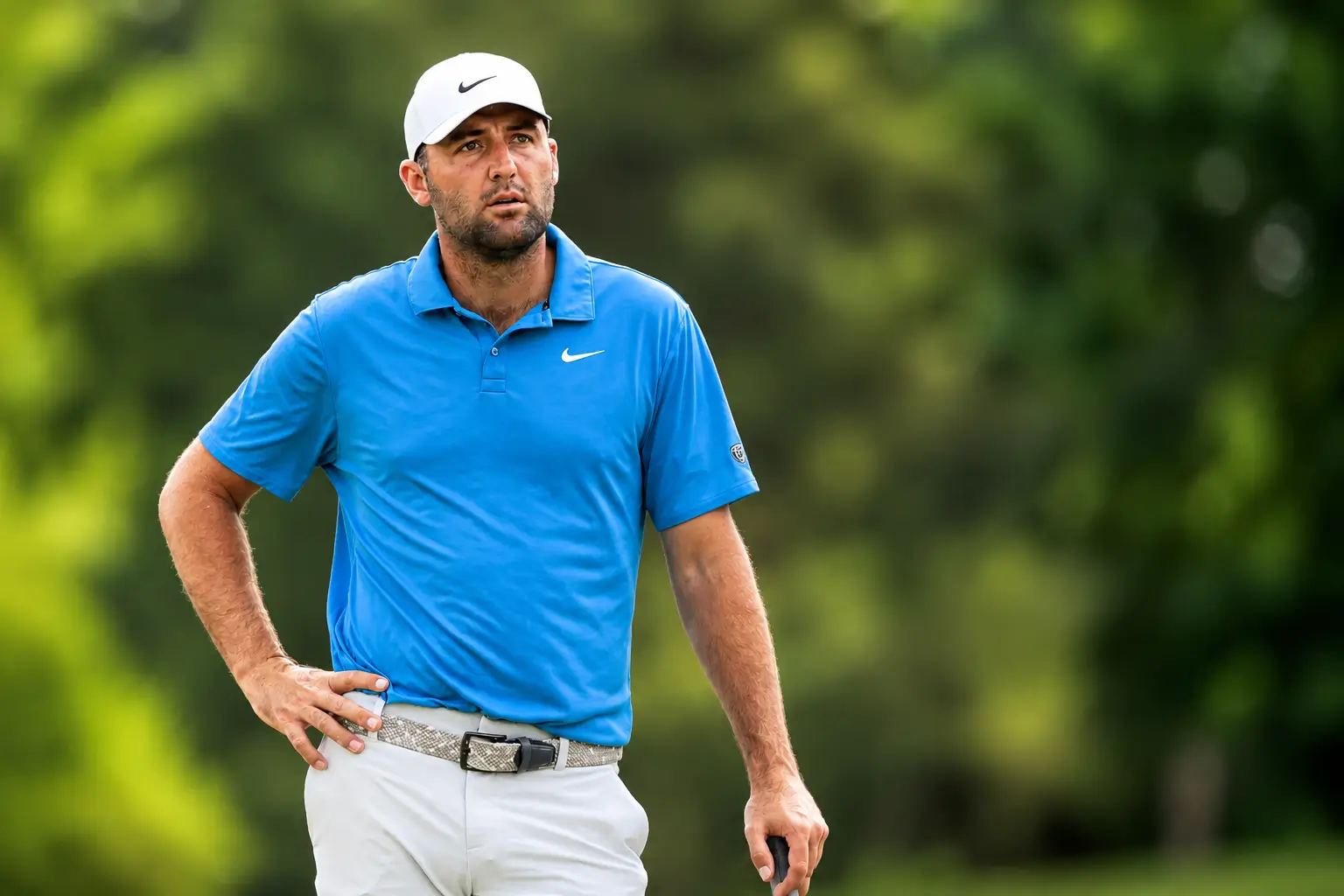
What actually happened on 14
Scheffler played bogey-free through 31 holes at the 3M Open. Then he found the water with his approach shot from the middle of the fairway on 14, leading to a double bogey six.
Anyone can make a mistake like that. What matters is how he got there. Scheffler built his entire reputation on discipline, on aiming at the fat part of greens instead of chasing flags tucked into trouble. On 14, he abandoned that completely, taking on a pin sitting dangerously close to water on the left side of the green. The line gave him zero margin for error. That's not the Scheffler who's spent years grinding out major titles through patience.
It happened again three holes later. On the par-three 17th, he went flag-hunting again, missed the green on the short side, and left himself an up and down that was practically unplayable. Bogey followed.

Forcing it instead of letting it come
Put those two holes together and a pattern emerges. Scheffler is chasing his second win of the year hard enough that he's taking on shots he simply wouldn't have attempted a year or two ago. If he'd already banked a couple of wins in 2026, there's no version of this where he's attacking those flags on 14 and 17.
The irony writes itself. Play it safe on both holes, and he's almost certainly closer to Michael Kim's lead heading into the weekend instead of seven shots adrift. The conservative approach that built his career would have served him better than the aggression that's replaced it.
At some point, a four-time major champion has to trust the process that got him here rather than force the issue every time a leaderboard doesn't move fast enough. Scheffler's stats say he's still elite. His decision-making on 14 and 17 says he's pressing. Those two things can be true at the same time, and until he stops chasing wins and lets them find him again, weekends like this one in Minnesota might keep repeating.